
Did you know that what we commonly call “Styrofoam” is not actually Styrofoam at all? The word Styrofoam is a trademarked brand of expanded polystyrene foam (EPS), while most food-service foam products are simply polystyrene, labeled with Recycling Number 6 (PS). Despite the similar look and feel, these materials are not identical, yet both have become symbols of environmental concern and growing regulatory action.
Recently, parts of L.A. County have moved to ban foam polystyrene food-service items — and under California state law, polystyrene foam containers for food and drink have been effectively banned statewide since January 1, 2025, because producers did not meet recycling-rate requirements. The move has elevated polystyrene (often mislabeled “Styrofoam”) as a test case for sustainability and the future of single-use plastics.
How Is It Made?
What we casually refer to as Styrofoam (EPS foam) is produced by expanding polystyrene beads with steam and chemicals, creating a lightweight, insulating material. Because it’s inexpensive, shock-absorbent, and retains heat, it became ubiquitous in daily life: in disposable coffee cups, takeout containers, packaging peanuts, coolers, and more.
But the same properties that make EPS convenient also make it environmentally destructive.
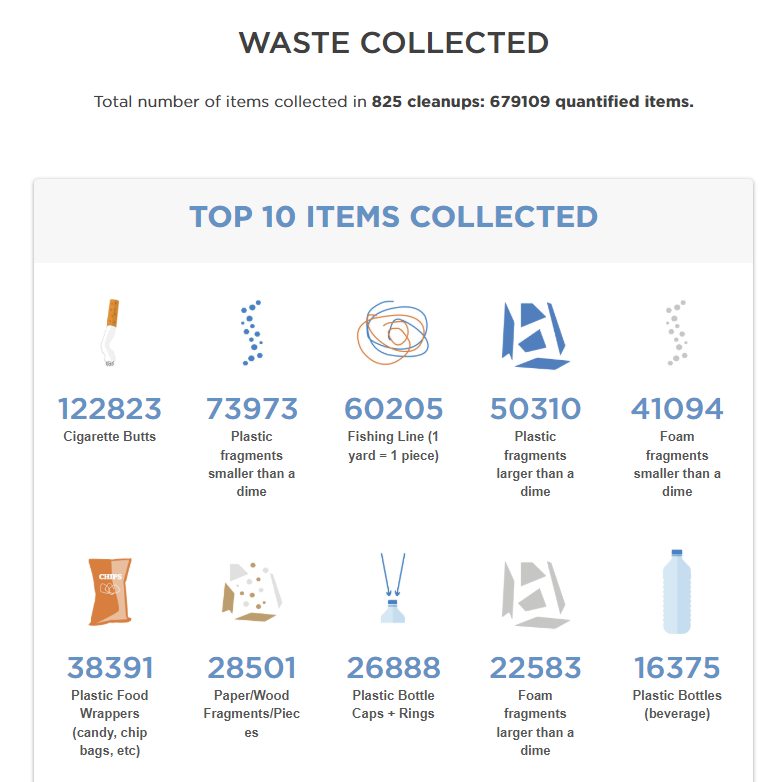
EPS is non-biodegradable and can persist in ecosystems for hundreds or even thousands of years. Discarded EPS breaks into microplastics almost instantly, polluting waterways and entering the food chain. Foam fragments are among the most commonly collected items in Surfrider beach cleanups. Its extremely light weight means it easily breaks apart and blows away, contributing to widespread pollution in oceans, rivers, storm drains, and urban streets. Wildlife often mistake small foam fragments for food, leading to ingestion, blockages, malnutrition, and sometimes death.
What to Use Instead
- Reusable stainless-steel tumblers
- Bamboo or paper-based takeout containers
- Bring-your-own container to restaurants when allowed
- Support businesses that avoid EPS
Not All Polystyrene Is the Same
It’s also important to understand that Recycling Number 6 covers several different forms of polystyrene, which adds to public confusion.
- Expanded Polystyrene (EPS): the lightweight foam used in disposable cups, takeout containers, coolers, and packing peanuts (often mistaken for “Styrofoam”)
- Extruded Polystyrene (XPS): a denser, more rigid foam commonly used in insulation boards and construction materials; sometimes also marketed using the Styrofoam brand name
- Rigid Polystyrene (PS): the hard, brittle plastic found in items like disposable cutlery, clear food containers, yogurt cups, and CD cases
Although all three carry the #6 resin code, they behave differently in the environment and in recycling systems. EPS, in particular, breaks apart easily into tiny fragments, making it one of the most common forms of plastic pollution found in coastal cleanups. As of December 2, 2025, the Surfrider Foundation has collected over 67,000 pieces of foam fragments.
Understanding Recycling Number 6
Every plastic product is often marked with a resin-identification code, commonly called a recycling number. A code of 6 means the item is made from polystyrene (PS).The “recycling symbol” was never meant to guarantee recyclability. It’s a resin identification code created by the plastics industry, not a promise that local programs accept the material. Expanded polystyrene (EPS) foam is notoriously difficult and costly to recycle: it’s mostly air, has little resale value after densifying, and many recycling programs decline to accept it.
In most of Los Angeles County, foam “Styrofoam” is treated as trash rather than recycled. Meanwhile, local and statewide bans have targeted EPS foodware. Since May 1, 2023, restaurants in unincorporated L.A. County are prohibited from using EPS containers; and as of January 1, 2025, statewide legislation (SB 54) effectively bans polystyrene foam foodware statewide — after producers failed to meet mandatory recycling thresholds. Our Ocean Friendly Hotels and Restaurants programs, do not allow the use of expanded polystyrene use (aka Styrofoam).
Because EPS remains expensive and difficult to reclaim, there is little evidence of large-scale investment in recycling infrastructure to process it. That means many foam products still end up in landfills, or escape into the environment, undermining claims that the resin code “6” ensures sustainability.
Want to make a difference? Start with simple steps: skip the foam, choose reusable containers, and look for Ocean Friendly certified restaurants and hotels. Support local policies that reduce plastic pollution and help keep recyclable materials out of landfills. Together, Los Angeles can lead the way toward a cleaner, more resilient coastline.
Other Ways To Get Involved
- Rise Above Plastics: Our mission is to reduce the impacts of plastics in the marine environment by raising awareness about the dangers of plastic pollution and by advocating for a reduction of single-use plastics and the recycling of all plastics
- Record Your Trash In Our Online Tracker: Surfrider Foundation has a program that allows everyone to tackle the ocean litter issue. Register for free and record anything you pickup. This data will help us present actual results to make better environmental changes
- Break Free From Plastics: The Surfrider Foundation is a member in which the #BreakFreeFromPlastic movement demands massive reductions in single-use plastics and to push for lasting solutions to the plastic pollution crisis.
Join me down this rabbit hole of research:
Article/Document
- LAist, "Styrofoam Ban"
- LA Times, "California banned polystyrene. So why is it still on store shelves?"
- Sierra Club, "Polystyrene & Food Packaging"
- Surfrider Foundation, "Positive Update on CA Foam Foodware Ban: New Reporting Webpage for Violations'
Media
- LA City, "Ordinance187717
Website
- DuPont, "Styrofoam™ Brand"
- LA County Public Works, "Recycle Bins"
- Universal Construction Foam, "STYROFOAM™ vs Polystyrene - What's the difference?"
YouTube
- Business Insider, "Why It’s So Hard To Recycle Styrofoam And Polystyrene"
- CAE+, "Plastic Resin Identification Code-Plastic Recycling Process-Injection Molding"
- JEPSA EPS, "EPS Manufacturing Process and Recycling … EPS molded products"
- mopatin, "Recycling Polystyrene. Plastic Forming"
- NBC News, "Why polystyrene … banning it is a complex solution"
 Mel is the Volunteer Coordinator for the Los Angeles Chapter.